
Technology
Rocori Schools ask voters to vote yes Tuesday to support technology upgrades
By Marcus Chen
Advertisement · Why this ad?
Katherine oversees editorial operations across all six brands. Before joining The Meridan Group, she spent 14 years at the Minneapolis Star Tribune, where she led the metro desk through its digital transformation. She holds a Master's in Journalism from Northwestern's Medill School.
More from Katherine →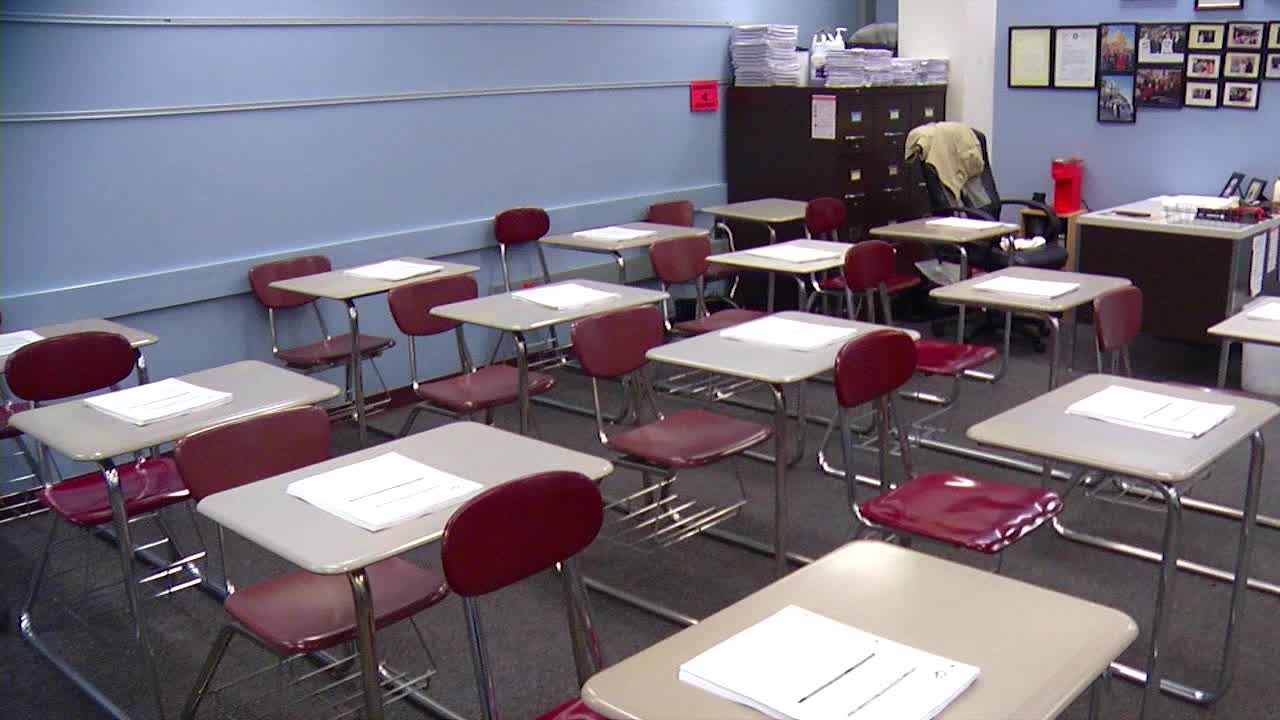
St. Paul schools weigh closures as enrollment keeps falling KaMaria Braye KSTP St. Paul Public Schools considering closures St. Paul Public Schools is taking a closer look at the future of its schools as district leaders face declining enrollment and changing student needs. The district has launched a Facilities Portfolio Analysis , a multi-year review of its schools, programs and buildings that could eventually result in some schools being repurposed, consolidated or closed. “About a year ago, I brought to the board, along with our strategic plan outline, the process of developing a facilities portfolio analysis task force that would look at our buildings, that would look at our schools to determine a process for analyzing what we would do with them. Analyzing whether or not there would be building closures, whether or not there would be consolidations or repurposing some school buildings,” said Superintendent Stacie Stanley. To help guide the process, the district assembled a roughly 30-member Facilities Advisory Task Force made up of parents, students, staff, community partners, union representatives and school board members. The group met eight times between June and October and was tasked with developing the criteria that will be used to evaluate schools and buildings. Stanley said the district intentionally brought community members into the process from the beginning rather than waiting until recommendations were developed. “I really want our community to know that there are no decisions that are made right now,” Stanley said. “This is really a genuine process, and it is transparent. And that’s why we will be engaging the community.” Stanley said the district intentionally began the process about a year ago to give families, students, staff and community members opportunities to provide feedback along the way. The review is part of the district’s Strategic Plan and is designed to determine whether school buildings, academic programs and district resources align with the number of students the district serves today and expects to serve in the future. According to district documents, the goal is to develop a long-term plan that allows the district to invest resources more efficiently while continuing to provide students with access to academic and enrichment opportunities. Enrollment decline is driving the conversation Stanley said one of the biggest reasons for the review is a significant decline in student enrollment. “A decade ago, we had 39,000 students,” Stanley said. “And right now, today, we have 32,000 students.” Stanley said demographers recently presented projections showing birth rates across Minnesota are expected to continue declining in the coming decades. If those trends continue, she said the district could see further enrollment declines in the future. “There will be a reduction of about 1 to 1.5% in birth rates from now until 2050, and that then, if you translate that onto St. Paul Public Schools, by then we could be down to 20,000 students,” Stanley said. The superintendent said those projections are a key reason district leaders believe planning should begin now rather than waiting until the challenges become more difficult to address. Stanley also acknowledged that enrollment and financial considerations are behind the review. “School finances are based on student enrollment, and so we really want to be thoughtful about that. You know, when we are down that many students right now, it becomes not as effective to run 69 buildings,” she said. How schools could be evaluated The task force spent months developing criteria that could eventually be used to evaluate schools. They met eight times between June and October and were tasked with creating the framework district leaders may use when considering future scenarios. According to information released by the district, criteria fall into three broad categories: building characteristics, program characteristics and location characteristics. Building considerations include: Capacity and building size Safety Accessibility Technology Maintenance needs and overall building condition Environmental impact and sustainability Program considerations include: Enrollment trends Student demographics Student achievement Demand for programs Access to academic, enrichment and career-focused opportunities Location considerations include: Neighborhood characteristics Nearby schools Community resources Transportation access One criterion states that school buildings may be prioritized if more than 70% of available seats are filled. Other criteria consider whether schools serve high numbers of low-income students, immigrant and refugee families, provide diverse programming and can meet a wide range of student learning needs. Stanley emphasized that no single factor will determine a school’s future. “The criteria at this point are not weighted, so it isn’t that this criteria is more important than another criteria,” Stanley said. “It really is looking at the combination of the criteria together that we will use, along with feedback about programs that we will be getting again, again from the community.” Community input will help shape recommendations District leaders acknowledge the possibility of school closures can be concerning for students, families and staff. “The criteria is going to play a strong role in that, but more than that, it is really about community engagement,” Stanley said. She said the district’s goal is to repeatedly gather public feedback, adjust proposals and return to the community throughout the process. The district is expected to collect additional feedback through an online engagement platform, as well as community meetings planned through the winter and spring. What happens next? Stanley said it is too early to estimate how many schools could ultimately be impacted or whether staffing reductions could result from future recommendations. The district will continue reviewing enrollment data, academic programming, facility conditions and community feedback before developing recommendations. “I also believe that this is going to spread more evenly the different types of resources and programs that all of our students are going to be able to experience,” Stanley said. Stanley said the school board is expected to make a final decision in August 2027. If approved, any changes would not take effect until the 2028-29 school year. The district plans to email families a ThoughtExchange survey next week and hold additional community engagement sessions throughout the winter and spring.
By Marcus Chen
By Katherine Langford
By Katherine Langford
By Katherine Langford