Community
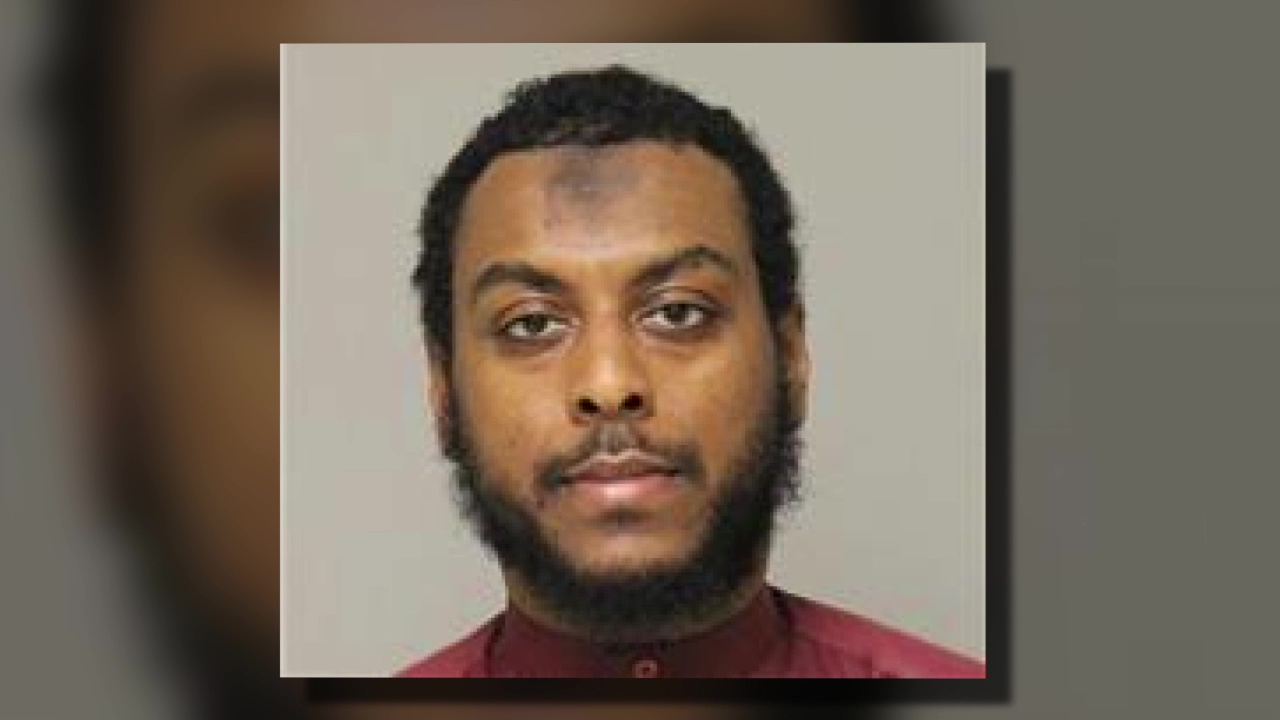
Jordan Collins, man convicted in his son's murder, charged with 'sucker punching' jail deputy
By Katherine Langford
Advertisement · Why this ad?
Marcus manages the day-to-day editorial workflow across all brands, coordinating coverage assignments and ensuring editorial standards are met. He previously served as city editor at the Pioneer Press and holds a degree in Political Science from Carleton College.
More from Marcus →
On a crisp autumn morning, the sound of tiny paws scurrying across clean bedding filled the air at a rescue facility in Ohio. For the first time, over 1,100 chinchillas, once confined in filthy cages, were experiencing freedom and care. Their rescue marks a significant victory for animal welfare advocates and shines a light on the ongoing issues of neglect in breeding facilities.
More than 1,100 chinchillas were rescued from R & R Chinchilla Inc. in Jenera, Ohio, following a series of federal investigations that revealed severe animal welfare violations. The U.S. District Court for the Northern District of Ohio approved a consent decree that mandated the surrender of over 300 remaining chinchillas. This action came after the facility's owner, James F. Ritterspach, agreed to cease operations under the USDA Animal Welfare.
Investigators from the USDA documented numerous infractions, including untreated medical conditions, excessive fecal buildup, and unsafe ammonia levels. Over the past four years, inspectors conducted 18 inspections, uncovering 59 violations. The conditions were so dire that some chinchillas were found missing limbs, while others suffered from severe skin infections and dental issues.
The rescue operation, led by Humane World for Animals, began after the Justice Department received a referral from the USDA. The organization reported that nearly 1,000 chinchillas were initially surrendered to animal welfare groups under a modified temporary restraining order. The remaining animals were later surrendered as part of the court's consent decree.
The conditions at R & R Chinchilla were described as abhorrent by those who witnessed them. Mark Finneran, Humane World’s Ohio state director, stated, "A thousand chinchillas sounds like a lot, but seeing the scale of the suffering in person was overwhelming." Inspectors found rows of chinchillas living in filthy cages, with many suffering from matted fur, inflamed skin, and overgrown teeth.
On August 5, during a surprise inspection, officials discovered hundreds of chinchillas in a separate building that had been concealed from inspectors. The animals were living in unsanitary conditions, with fecal material covering the floors and ammonia levels so high that inspectors had to leave due to coughing fits. The presence of open rat poison packets near the enclosures raised further alarms about the facility's management.
Even more shocking, a metal collar was found tightly embedded in one chinchilla's neck, and multiple dead animals were discovered on the premises. The situation highlighted not only the neglect of the chinchillas but also the failure of the facility to comply with basic animal care standards.
The news of the chinchilla rescue has sparked a wave of support from the local community and animal lovers across the nation. Many residents have expressed outrage at the conditions the chinchillas endured and have rallied behind organizations like Humane World for Animals.
Local animal advocates are now calling for stricter regulations on breeding facilities to prevent such neglect from happening again. The USDA's actions against Ritterspach have been welcomed by many who believe that animal welfare should be a top priority. "Animals cannot be abused, kept in dirty cages, and neglected so badly that they suffer or die," said U.S. Attorney David M. Toepfer for the Northern District of Ohio.
As the chinchillas receive care and rehabilitation, community members are eager to help. Fundraising efforts have sprung up to support the ongoing medical treatment and care for the rescued animals. Local businesses are also stepping up, offering resources and donations to aid in the recovery process.
The rescued chinchillas are now in the care of various animal welfare organizations, where they are receiving veterinary treatment and enrichment activities. This includes dust baths, fresh food, and safe environments to explore, which are essential for their mental and physical health. The transformation from neglect to care is already evident, with many chinchillas seen rolling in dust baths and exploring new huts.
Humane World for Animals has committed to providing ongoing support for the chinchillas as they recover. The organization is working diligently to ensure that each chinchilla receives the necessary medical attention and socialization needed to thrive. Many of the rescued animals will eventually be available for adoption, allowing them to find loving homes.
As for James F. Ritterspach, the consent decree permanently bars him from engaging in any activities regulated under the Animal Welfare Act. The USDA has also revoked his federal license, ensuring that he cannot operate a breeding facility in the future. This outcome serves as a warning to others in the industry about the importance of humane treatment for animals.
The rescue of these chinchillas underscores a critical issue within the animal breeding industry. The conditions at R & R Chinchilla Inc. are not isolated; they reflect a broader trend of neglect and abuse in facilities that prioritize profit over the welfare of animals. Advocates argue that stronger regulations and enforcement are necessary to protect animals from suffering.
Organizations like Humane World for Animals are pushing for legislative changes that would enhance the standards for animal care in breeding facilities. These changes are aimed at ensuring that all animals receive proper medical attention and live in safe, clean environments. The recent case has sparked discussions about the need for accountability among breeders and the importance of adopting pets from shelters and rescues rather than purchasing them from questionable sources.
As the chinchillas continue their journey to recovery, their story serves as a powerful reminder of the responsibility that comes with caring for animals. It highlights the need for communities to be vigilant and proactive in advocating for animal welfare.
For those looking to support animal welfare efforts, there are numerous organizations dedicated to rescuing and rehabilitating animals in need. Local shelters and rescue groups often rely on donations and volunteers to continue their work. The Humane Society of the United States, for example, provides resources and guidance on how to get involved in animal welfare initiatives. You can find more information on their site: Humane Society.
Additionally, the USDA offers guidelines and resources for those interested in understanding animal welfare regulations. Their website provides insights into the standards that facilities must meet to ensure the humane treatment of animals: USDA Animal Welfare.
As the community reflects on the chinchilla rescue, it is clear that collective action can lead to meaningful change. By supporting animal welfare organizations and advocating for stronger regulations, residents can help ensure that no animal suffers in silence.
The story of the rescued chinchillas is more than just a tale of neglect; it is a call to action for communities to unite in the fight for animal welfare. Together, we can create a future where all animals are treated with the dignity and care they deserve.
By Katherine Langford

By Marcus Chen

By Katherine Langford

By Katherine Langford