
Community
What's next for Minnesota Gov. Walz?
By Marcus Chen
Advertisement · Why this ad?
Marcus manages the day-to-day editorial workflow across all brands, coordinating coverage assignments and ensuring editorial standards are met. He previously served as city editor at the Pioneer Press and holds a degree in Political Science from Carleton College.
More from Marcus →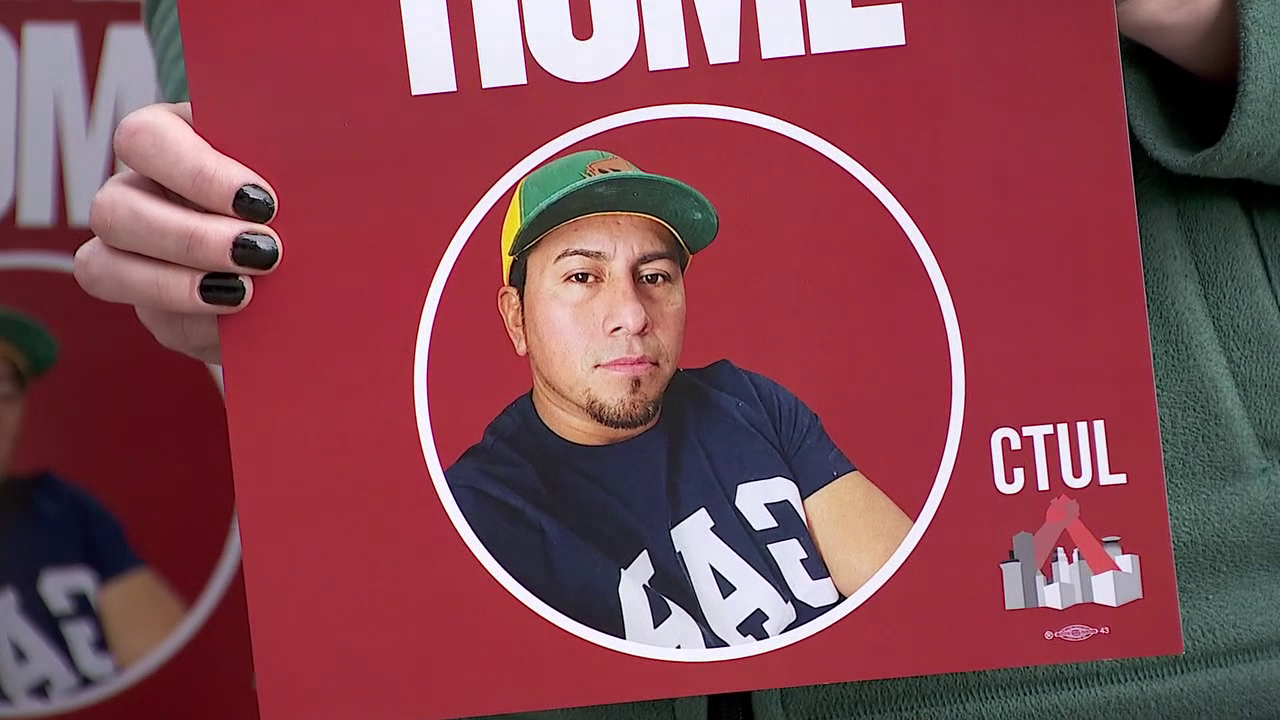
In the quiet suburbs of Edina, a family waits anxiously for news about Kenis Lopez Gonzalez, a man caught in a legal and humanitarian storm halfway across the world. His story underscores the fragile intersection of immigration law, international diplomacy, and human rights—issues that resonate deeply within our Minnesota community.
Lopez Gonzalez, a Nicaraguan immigrant who had built a life in Shakopee, was deported to the Central African Republic (CAR) after being detained during a police operation in January. Despite having legal protections that allowed him to stay in the U.S., he was sent to a country with a notorious reputation for violence and instability. The U.S. government’s decision to deport him to CAR, a nation under a Level 4 "Do not travel" advisory from the State Department, has sparked outrage among community advocates and legal experts alike.
The federal judge overseeing his case, Jeffrey Bryan, ordered Lopez Gonzalez’s immediate return to Minnesota on October 30, citing violations of federal regulations and due process. The judge’s ruling was a rare rebuke to federal immigration policies that often prioritize enforcement over individual rights. But the government responded swiftly, filing an emergency motion to stay the order while appealing to the Eighth Circuit Court of Appeals, arguing that the case interferes with U.S. foreign policy and diplomatic negotiations.
Local advocates and Lopez Gonzalez’s legal team are rallying around the court’s decision, demanding his safe return. The Workers Circle and Centro de Trabajadores Unidos en la Lucha (CTUL), organizations rooted in Minnesota’s diverse communities, have scheduled a Friday news conference to press for his immediate repatriation. They argue that Lopez Gonzalez’s case highlights the need for a humane approach to immigration—one rooted in justice, family stability, and respect for human dignity.
Lopez Gonzalez, who operated a construction business and held a valid driver’s license and work permit, was detained during an operation called "Metro Surge." His deportation to CAR, a country rife with violence, has alarmed many who see it as a reckless disregard for his safety and rights. Community members are calling on federal officials to honor the judge’s order and prioritize the well-being of individuals like Lopez Gonzalez, who have contributed positively to Minnesota’s economy and social fabric.
Current reports indicate Lopez Gonzalez is stranded in a guarded facility in Bangui, reliant on an international humanitarian group for basic needs. The U.S. State Department’s advisory warns of kidnappings and violence, raising fears for his safety. His case is emblematic of broader concerns about the U.S. deportation policies that often send individuals to countries where their lives are at risk, especially when they have legal protections in the U.S.
The federal government’s appeal creates a tense standoff. Attorney General’s office argues that judicial intervention could harm diplomatic relations and disrupt ongoing negotiations. Meanwhile, Lopez Gonzalez’s supporters remain hopeful that the courts will uphold the judge’s order, emphasizing the importance of due process and family unity.
Judge Bryan has yet to decide whether to pause his order pending the appeal, leaving the community in suspense. Minnesota residents are watching closely, aware that the outcome could set a precedent for future cases involving deportations to third countries. As the legal battle unfolds, community organizations continue to mobilize, advocating for policies rooted in compassion and justice, aligned with the values of faith and family that define our community.
For Minnesota families and advocates committed to justice, Lopez Gonzalez’s case is more than legal wrangling—it’s a call to uphold the dignity of every human life. Community leaders hope the courts will recognize the importance of protecting vulnerable individuals, especially those who have built lives here and contributed to our shared prosperity. As the case moves forward, residents can stay informed through trusted sources like Minnesota.gov and local legal aid organizations.
In the end, this case reminds us of the enduring importance of strong families and authentic faith—values that sustain communities through even the most challenging times. Minnesota’s story continues to be written in the lives of people like Lopez Gonzalez, whose fight for justice echoes the American dream of opportunity, stability, and the hope for a better tomorrow.
Minnesota has long been a welcoming home for immigrants from around the world, with a significant and vibrant Nicaraguan community that has contributed richly to the state’s cultural and economic fabric. According to the Minnesota Department of Employment and Economic Development, the state hosts over 40,000 residents with Latin American roots, many of whom arrived seeking safety and opportunity. The city of Shakopee, where Lopez Gonzalez lived and worked, is part of the Twin Cities metro area known for its diverse population and growing immigrant-owned businesses.
For many in this community, Lopez Gonzalez’s case hits close to home. It raises questions about how federal immigration policies impact local families, workers, and small business owners. Shakopee, in particular, has seen an increase in Latin American entrepreneurs, including construction workers, restaurant owners, and service providers. Lopez Gonzalez’s own construction business was a source of pride and stability for his family, illustrating how immigrants often serve as vital contributors to local economies.
Beyond the legal and diplomatic battles, there are personal stories—families torn apart, lives upended by policies that often seem distant from the everyday realities of Minnesotans. Lopez Gonzalez’s wife and children, who reside locally, have expressed deep concern and heartbreak over his fate. His wife, Maria Lopez, has been vocal in local media, emphasizing that her husband is not just a legal case but a father and husband who has been part of their community for years.
Community members have organized vigils and support rallies, emphasizing the importance of compassion and justice. These gatherings serve as a reminder that behind every legal case are real people with hopes, fears, and dreams. Local pastors, community leaders, and advocacy groups are calling for a humane resolution that respects family unity and human rights.
This situation underscores the broader debate about immigration enforcement and human rights. Minnesota’s immigrant communities have historically faced challenges related to access to services, legal representation, and protection from discrimination. Lopez Gonzalez’s case exemplifies how federal policies can sometimes clash with local values of inclusion and compassion.
Moreover, the case has sparked discussions about the role of local government and community organizations in advocating for vulnerable populations. Many residents are asking how they can support efforts to ensure fair treatment and humane policies, whether through legal aid, community organizing, or simply raising awareness.
Legal experts predict that the case could take weeks or even months to resolve fully, depending on the outcome of the appeal. The Eighth Circuit Court of Appeals will review the government’s request for a stay and determine whether Lopez Gonzalez should be returned to Minnesota pending further proceedings. This process involves complex legal arguments about federal authority, human rights, and diplomatic relations.
Meanwhile, community organizations are strategizing on how to keep pressure on federal officials and raise public awareness. Grassroots groups plan to hold more rallies, share stories, and push for policy reforms that prioritize humane treatment and due process. Local elected officials, including members of Congress and state legislators, are also being urged to weigh in, advocating for policies that reflect Minnesota’s values of fairness and compassion.
In addition, legal advocates are exploring avenues to strengthen protections for individuals facing deportation to third countries, especially those with legal protections in the U.S. or who face imminent danger abroad. The case of Lopez Gonzalez could serve as a catalyst for broader reform efforts aimed at ensuring that immigration enforcement aligns with human rights standards.
Throughout Minnesota, faith leaders and community organizations are emphasizing the moral imperative to protect vulnerable individuals. Churches, mosques, and temples have hosted prayer vigils and interfaith services, calling for justice and compassion. Many see Lopez Gonzalez’s case as a test of our collective values—whether we uphold the dignity of every person or allow policies that threaten lives and families.
As the legal process unfolds, community members are reminded that their voices matter. Grassroots activism has historically played a crucial role in shaping humane immigration policies, and this case is no different. The solidarity shown here can influence public opinion and, ultimately, policy decisions at the federal level.
Residents interested in supporting Lopez Gonzalez and similar cases can stay updated through trusted sources such as Minnesota.gov and local immigrant advocacy organizations like Centro de Trabajadores Unidos en la Lucha. Volunteering, donating, or simply spreading awareness can make a tangible difference in advocating for humane immigration policies.
Ultimately, Lopez Gonzalez’s case is a stark reminder of the ongoing struggle to balance national security, diplomatic interests, and human rights. It challenges Minnesotans to reflect on what kind of community we want to be—one that welcomes, protects, and upholds the dignity of all its members.
By Marcus Chen
By Marcus Chen

By Marcus Chen

By Katherine Langford