
Community
New Minnesota early voting record set for 2026 midterm elections
By Katherine Langford
Advertisement · Why this ad?
Marcus manages the day-to-day editorial workflow across all brands, coordinating coverage assignments and ensuring editorial standards are met. He previously served as city editor at the Pioneer Press and holds a degree in Political Science from Carleton College.
More from Marcus →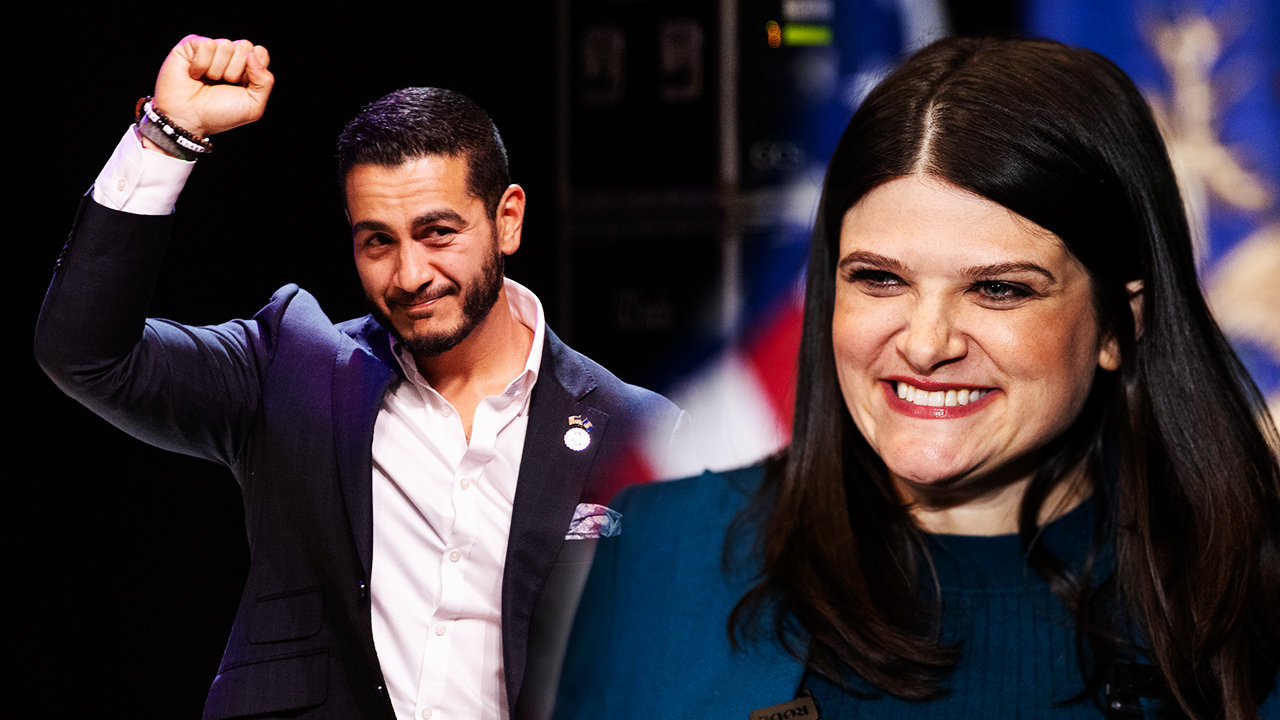
As the sun set over Edina on a crisp autumn evening, supporters of Dr. Abdul El-Sayed gathered at a local café, their energy palpable. Signs adorned with El-Sayed's name filled the room, but there was an unmistakable tension in the air. Just days before Election Day, whispers of a rift between El-Sayed and fellow political figure Haley Stevens began to surface, casting a shadow over the campaign's final push.
The political landscape shifted dramatically this week as the El-Sayed campaign publicly expressed a desire to keep Stevens from participating in campaign events leading up to the election. This unexpected turn of events has raised eyebrows among political analysts and constituents alike, as both candidates have previously shared a collaborative spirit.
El-Sayed, a prominent figure in Michigan politics, has been making headlines for his progressive platform and commitment to healthcare reform. Stevens, who has held a seat in the U.S. House of Representatives, has positioned herself as a centrist candidate, often appealing to moderate voters. The divergence in their political styles and strategies may have contributed to the tension now brewing between them.
As Election Day approaches, El-Sayed's campaign has made it clear that they believe Stevens' presence at events could dilute their message and confuse voters. "We need to focus on our core issues and maintain a unified front," said a spokesperson for El-Sayed. This statement hints at deeper ideological differences that may have been simmering beneath the surface for some time.
The Edina community has been abuzz with discussions surrounding the campaign's internal dynamics. Local residents expressed mixed feelings about the rift. Some supporters of El-Sayed view the decision as a necessary step to clarify their campaign message, while others worry it may alienate moderate voters who appreciate Stevens' approach.
"I think it's important for candidates to work together, especially in a close race like this one," said Edina resident Mary Thompson. "Haley has a lot of support in the community, and distancing themselves from her could backfire." Others echoed her sentiments, expressing hope that the two candidates could reconcile their differences for the greater good.
Stevens herself has not publicly commented on the situation, leaving many to speculate about her reaction. Political experts suggest that her absence from events could lead to a significant shift in voter sentiment, particularly among those who value bipartisanship and collaboration.
Understanding the local political landscape is crucial to grasping the implications of this rift. Edina, known for its diverse demographic and active civic engagement, has become a microcosm of broader national trends. The city has seen a shift toward progressive policies in recent years, with many residents advocating for healthcare reform, environmental sustainability, and social justice initiatives. El-Sayed's progressive stance resonates well with these values, making his campaign particularly relevant to the local electorate.
However, Stevens' centrist approach has also garnered significant support, especially among voters who prioritize stability and bipartisanship. Her history of working across the aisle has made her a familiar face in the community, and many residents appreciate her efforts to bridge divides. This juxtaposition of ideologies has created a unique dynamic in Edina, where voters are often torn between progressive aspirations and the desire for pragmatic governance.
The implications of this rift extend beyond the candidates themselves. Voter sentiment is often influenced by perceptions of unity and collaboration among political figures. As both El-Sayed and Stevens navigate this challenging landscape, their ability to connect with constituents will be put to the test.
Polling data shows a competitive race, with both candidates appealing to different segments of the electorate. El-Sayed's progressive policies resonate with younger voters, while Stevens' centrist approach attracts a more diverse voter base. The current discord may disrupt the delicate balance they had previously established.
In a race where every vote counts, the El-Sayed campaign's decision to distance themselves from Stevens could lead to unintended consequences. Many voters seek authenticity and a sense of community from their leaders, and this fracture could undermine that trust.
Community leaders and activists have also weighed in on the situation. Local activist and educator, Jamal Reed, noted, "This is a pivotal moment for our community. We need leaders who can work together to address the pressing issues we face, such as affordable housing and education reform. The rift between El-Sayed and Stevens is concerning because it reflects a broader trend of division that could hinder progress."
Reed's sentiments were echoed by several attendees at a recent town hall meeting, where constituents voiced their concerns about the impact of the candidates' relationship on vital local issues. Many expressed a desire to see both candidates come together to address the community's needs rather than becoming embroiled in a conflict that might detract from their shared goals.
Looking ahead, the fallout from this political rift could reshape the future of both candidates. Should El-Sayed emerge victorious, he may need to reconsider his approach to collaboration within the party and among fellow politicians. A divided front could hinder his ability to advance his agenda in a closely contested political landscape.
Conversely, for Stevens, this situation presents an opportunity to reaffirm her commitment to bipartisanship. Should she choose to address the rift publicly, it could enhance her standing among voters who value cooperation over division.
The upcoming election serves as a litmus test for both candidates, revealing not only their political ideologies but also their ability to navigate complex relationships in a polarized environment. As Election Day approaches, the stakes have never been higher for El-Sayed, Stevens, and the voters of Edina.
For residents looking to stay informed about the election and the candidates, several resources are available. The City of Edina provides updates on local election information, including polling locations and voter registration details. Additionally, the Michigan Secretary of State offers comprehensive election resources.
Voters can also engage with local organizations such as the Edina Chamber of Commerce to learn about community events and candidate forums. These platforms foster dialogue and provide opportunities for residents to voice their concerns and opinions ahead of the election.
As Edina residents prepare to cast their ballots, understanding the dynamics of the candidates' relationship could play a crucial role in their decision-making process. The outcome of this election will not only determine the future of these candidates but also the direction of Edina's policies and its community's well-being.
By Katherine Langford
By Katherine Langford

By Marcus Chen

By Marcus Chen